

Description
Downloads are available directly below the "Add to Cart" button, free of charge.
The history and production of cooked sausages: Traditional classics with a modern twist
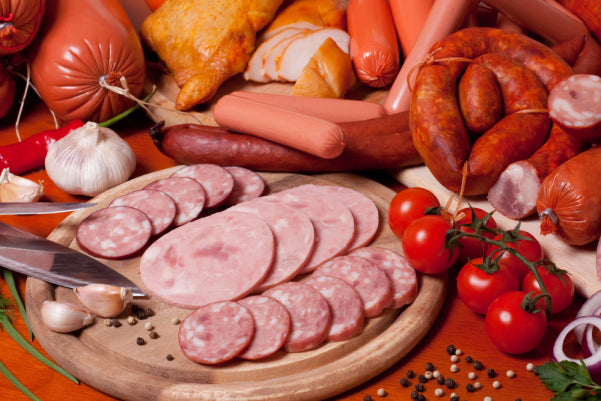
Sausages are among the most versatile and popular types of sausage in the world. From Vienna sausages and Krakauer to Bavarian Weisswurst, sausages have a long history and are an integral part of culinary culture. Here you'll learn all about the origins and production of these delicious specialties, as well as well-known varieties like Cervelas and Olma Bratwurst.
The history of cooked sausages
The origins of scalded sausage date back to the 19th century, when new methods were developed to make meat more durable and flavorful. The crucial step in the production of scalded sausage is scalding – cooking in hot water before the sausage is finished. This process allows the sausage to keep for a long time without losing its juiciness.
Vienna sausages
Vienna sausages, also known as Frankfurters, originally come from Frankfurt am Main. Around 1805, the butcher Johann Georg Lahner brought the recipe to Vienna, where the sausages received their current name. They are lightly smoked, crisp, and an international classic.
Krakauer
Krakow sausage originates from the Polish city of Krakow. It is coarsely ground, spicy, and often seasoned with garlic and marjoram. Its strong smoky flavor makes it particularly popular for barbecues and stews.
Weisswurst
The Bavarian Weisswurst was invented in Munich in 1857. It consists of veal, pork back fat, and fresh herbs such as parsley. Traditionally, it is heated in hot water and served with sweet mustard and pretzels.
Cervelas
Cervelas is a traditional cooked sausage from Switzerland and France. Originally, it also contained beef and bacon, but today it is mostly made from pork. Cervelas is one of the oldest cooked sausages in Europe and is often grilled or used in salads.
Olma Bratwurst
The Olma bratwurst, named after the St. Gallen agricultural fair OLMA, is a Swiss specialty. It is characterized by its mild flavor and the use of fresh milk in the recipe.
How are cooked sausages made?
The production of cooked sausages follows a precise, artisanal process that requires experience and care.
1. The ingredients
The base for cooked sausages is lean meat, often pork or veal, along with bacon. Spices such as salt, pepper, nutmeg, or garlic are added. In some recipes, like Weisswurst, the mixture is enriched with milk or cream.
2. The cutter
The meat is finely minced using a so-called cutter until a homogeneous mass is formed. Ice or water is often added to make the mass pliable and to control the temperature.
3. Filling the sausage casings
The meat mixture is filled into natural or artificial sausage casings. The casing determines the texture and appearance of the sausage.
4. Brewing and Cooking
The filled sausages are poached in hot water at about 70–80 degrees Celsius. This step ensures that the sausages cook through without drying out. Depending on the type of sausage, they are then either smoked (like Krakauer) or eaten directly (like Weisswurst).
Regional and international cooked sausage specialties
Sausages vary greatly depending on the region and cultural tradition. Here are some examples:
- Vienna sausages: Perfect for snacks and soups, often served with mustard and bread rolls.
- Krakauer sausage: Ideal for grilling, with its smoky, strong flavor.
- Weisswurst: A breakfast classic in Bavaria, traditionally served before 12 o'clock.
- Cervelas: An all-purpose sausage that tastes great both cold and grilled.
- Olma Bratwurst: Perfect for a sophisticated sausage dish, often served without mustard to preserve its delicate flavor.
Sausages in modern cuisine
Today, cooked sausages are an integral part of modern culinary creations. Chefs use them in new dishes, from stuffed peppers to sausage tapas. Thanks to their versatility, cooked sausages fit equally well into traditional and innovative recipes.
Conclusion: Cooked sausages – versatile classics with tradition
The history of cooked sausages demonstrates how closely tradition and innovation are intertwined in the kitchen. From the Vienna sausage to the Olma bratwurst, cooked sausages are not only a culinary cultural asset but also an expression of artisanal perfection. Their production requires skill and high-quality ingredients, and their versatility makes them a favorite with young and old alike.
Discover the world of cooked sausages and enjoy the variety that this traditional specialty has to offer.
Search terms: History of cooked sausage, production of cooked sausages, origin of Vienna sausages, production of Weisswurst, Krakauer sausage, Cervelas cooked sausage, Olma bratwurst tradition.
Payment & Security
Your payment information is processed securely. We do not store credit card details nor have access to your credit card information.