Downloads are available directly below the "Add to Cart" button, free of charge.
The history and production of bratwurst: Tradition meets craftsmanship
Bratwurst is one of the oldest and most famous specialties of German cuisine. With its versatile uses and unmistakable flavor, it's a culinary highlight not only in Germany. But where does bratwurst actually come from, and how is it made? Delve into the fascinating history and craftsmanship behind this beloved classic.
The history of the bratwurst
The bratwurst has a long tradition dating back to the Middle Ages. The first mentions of it can be found in documents from the 14th century. The Thuringian bratwurst is particularly well-known, having been documented in writing in the town of Arnstadt as early as 1404. It is considered one of the oldest varieties.
The Nuremberg Rostbratwurst also has an impressive history: it has been produced since the 15th century and today enjoys EU-wide protection of geographical origin.
While bratwursts were initially seasoned with regional variations, they quickly became a symbol of German culinary culture. Today, bratwursts are known worldwide and enjoyed in countless variations.
The production of bratwurst
The production of bratwurst is a true craft that requires experience and precision. Traditional butchers and modern producers alike rely on high-quality ingredients and time-tested recipes to guarantee the characteristic flavor.
1. The ingredients
The basis for bratwurst is high-quality meat, usually pork, often combined with beef or veal. Spices such as salt, pepper, marjoram, nutmeg, and sometimes caraway are added. Regional variations often include special herbs or ingredients to refine the flavor.
2. Chopping and seasoning
The meat is first coarsely chopped and then seasoned. The right amount of spices determines the sausage's typical flavor. In some recipes, the mixture is also blended with a little water or ice to make the consistency smoother.
3. Filling the sausage casing
The seasoned mixture is filled into natural or artificial sausage casings. Natural casings, such as pork intestines, are particularly popular as they emphasize the traditional character of the bratwurst.
4. Shaping and Portioning
The sausages are portioned into uniform pieces and then twisted by hand or machine. The size varies depending on the region: while Thuringian bratwursts tend to be long and slender, Nuremberg grilled sausages are small and compact.
5. Fresh or precooked
Sausages can be sold fresh or precooked. Fresh sausages are particularly flavorful, while precooked versions have a longer shelf life and are quicker to prepare.
Regional sausage variations
The diversity of bratwurst is reflected in the regional differences:
-
Thuringian bratwurst: Known for its tangy flavor and the use of marjoram.
-
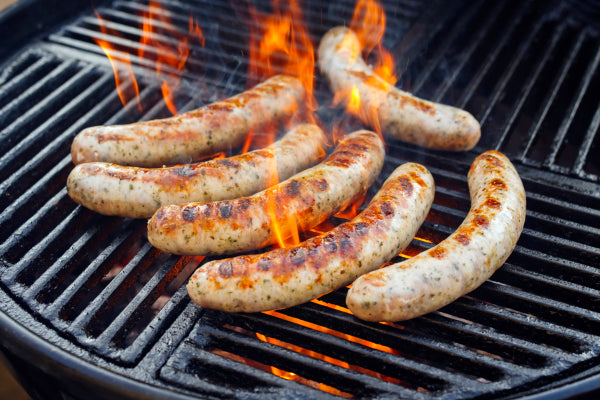
Nuremberg Rostbratwurst: Small, finely spiced and traditionally grilled on a grill.
-
Franconian bratwurst: Somewhat coarser in consistency and often seasoned with a mixture of marjoram and pepper.
-
Coburg bratwurst: Prepared over an open fire and often contains mace.
Each region has its own recipes that have been passed down through generations.
Conclusion: Tradition and craftsmanship in perfection
The bratwurst is not only a culinary treasure, but also a symbol of tradition and craftsmanship. From its centuries-old history to its precise production, it delights people worldwide. Whether grilled, pan-fried, or in a stew – the bratwurst remains an indispensable part of German cuisine.
Discover the diversity and history of this unique specialty, which combines enjoyment and culture in every bite.
Search terms: History of bratwurst, production of bratwurst, bratwurst tradition, German sausage history.
Sausage recipes: Creative ideas for every occasion
Bratwurst is one of the most popular dishes in German cuisine and a true all-rounder. Whether grilled, pan-fried, or baked – bratwurst can be prepared in many ways and is always a treat. Here you'll find the best bratwurst recipes, from classic preparations to modern creations that will delight you and your guests.
What makes the bratwurst so special?
The bratwurst is characterized by its flavorful blend of meat and spices. From the classic Thuringian bratwurst to the coarse Nuremberg version, it's a culinary highlight. With the right side dishes and preparation methods, it can be reinvented time and again.
Classic bratwurst with potato salad
A timeless classic that should be a staple at every barbecue.
Ingredients:
- 4 bratwursts
- 500 g potatoes (preferably waxy)
- 1 onion
- 3 tablespoons vinegar
- 4 tablespoons of oil
- 1 tsp mustard
- Salt, pepper, fresh parsley
Preparation:
- Boil the potatoes, peel them and slice them.
- Make a dressing from vinegar, oil, mustard, salt and pepper, and add the finely chopped onion.
- Pour the dressing over the potatoes and mix well.
- Fry the sausage in a pan or on the grill until golden brown and serve with the potato salad.
Tip: For a fresh touch, you can add cucumbers or radishes to the salad.
Bratwurst in a bun with homemade relish
The perfect snack for on the go or a quick meal.
Ingredients:
- 4 bratwursts
- 4 rolls
- 2 bell peppers (red and yellow)
- 1 onion
- 2 tablespoons of sugar
- 3 tablespoons vinegar
- Salt, pepper
Preparation:
- Finely dice the bell pepper and onion and caramelize them in a pan with sugar.
- Deglaze with vinegar and season with salt and pepper.
- Fry the sausages and put them in the rolls.
- Pour the bell pepper relish over the top and serve.
Result: A bratwurst variation with a sweet and sour note that delights everyone.
Sausage pan with vegetables
A quick and nutritious meal for the whole family.
Ingredients:
- 4 bratwursts
- 300g potatoes
- 1 zucchini
- 1 bell pepper
- 2 tbsp olive oil
- Salt, pepper, herbs de Provence
Preparation:
- Peel the potatoes, cut them into small cubes and fry them in a pan with oil.
- Add vegetables and season with salt, pepper and herbs.
- Slice the sausages and fry them in the pan until everything is cooked through.
Tip: Sprinkle with some grated cheese and briefly bake in the oven.
Grilled sausage skewers with vegetables
A creative idea for a barbecue.
Ingredients:
- 4 bratwursts
- 1 bell pepper
- 1 zucchini
- 1 red onion
- 8 mushrooms
- 2 tbsp olive oil
- Salt, pepper, paprika powder
Preparation:
- Cut the bratwurst into pieces and alternate them with vegetables on skewers.
- Brush with olive oil and season with salt, pepper and paprika powder.
- Sear on all sides on the grill or in a grill pan.
Tip: A fresh herb yogurt dip goes well with this.
Why bratwurst?
Bratwurst is not only delicious, but also incredibly versatile. It can be combined with almost any side dish and is perfect for any season. Whether classic or modern – with bratwurst you always bring a portion of enjoyment to the table.
Conclusion
From classic bratwurst with potato salad to creative dishes like bratwurst skewers or pan-fried dishes – bratwurst recipes offer something for everyone. Try these recipes and discover the versatility of a true culinary classic.
Search terms: Bratwurst recipes, cooking with bratwurst, simple bratwurst dishes, creative bratwurst ideas.